What it costs
Nobody can say what changed
Staff compare resubmissions by eye, and questions at council catch the team unprepared.
How it’s solved
Each round is recorded with what changed and why.
"By the third round of staff comments, the drawings, the renderings and the design rationale were in three different folders. At the hearing a councillor asked why the tower got shorter, and our planner had to dig for the answer." That's the developer's version. The planner's version: "The applicant resubmits, and I have to work out what changed by comparing PDFs side by side." The neighbour's version: "I sent a letter. I never heard if anyone read it."
A rezoning is a series of rounds, and the record of each round is what gets lost. CityLink keeps each round, what changed and why, and presents it to council from one link.
The developer owns the application and needs the story to hold together across rounds. The architect and landscape architect revise the design and need their changes shown accurately. Planning and heritage consultants shape the argument and need the evidence in one place. City planners need to see what changed since last time. Council needs a clear presentation that works on the day. Neighbours need to see the building from their street and know their input was heard.
Each of them looks at the same record. That's the point: when the question comes at the hearing, the answer is already written down.
In British Columbia, a typical rezoning moves through pre-application talks with planning staff, a formal application, staff review with comments back to the applicant, often an advisory design panel, then readings of the bylaw at council. Many municipalities also expect a community meeting run by the applicant.
Recent provincial housing legislation changed the public hearing step. For many residential rezonings that are consistent with an official community plan, local governments may no longer hold a public hearing, and in some cases are prohibited from doing so. That shifts more weight onto earlier engagement and the written record. The details vary, so check with your municipality.
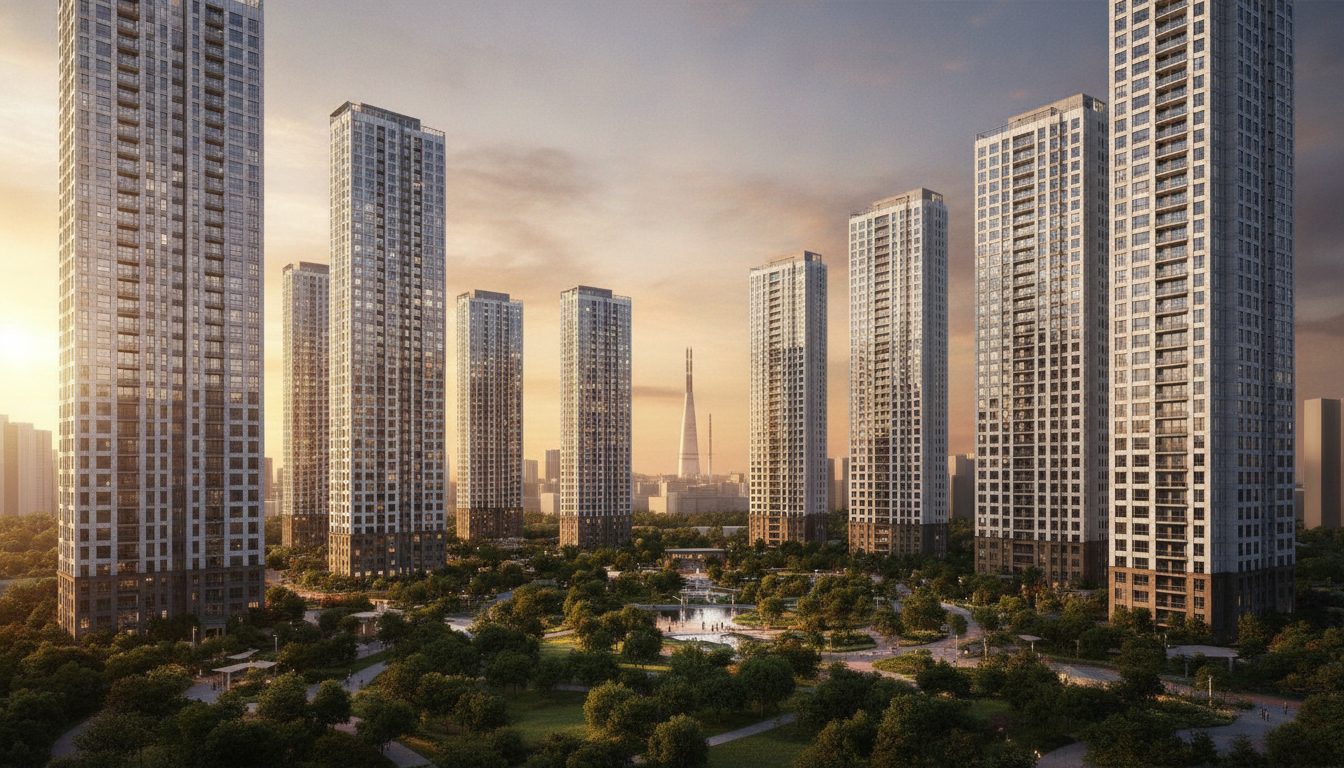
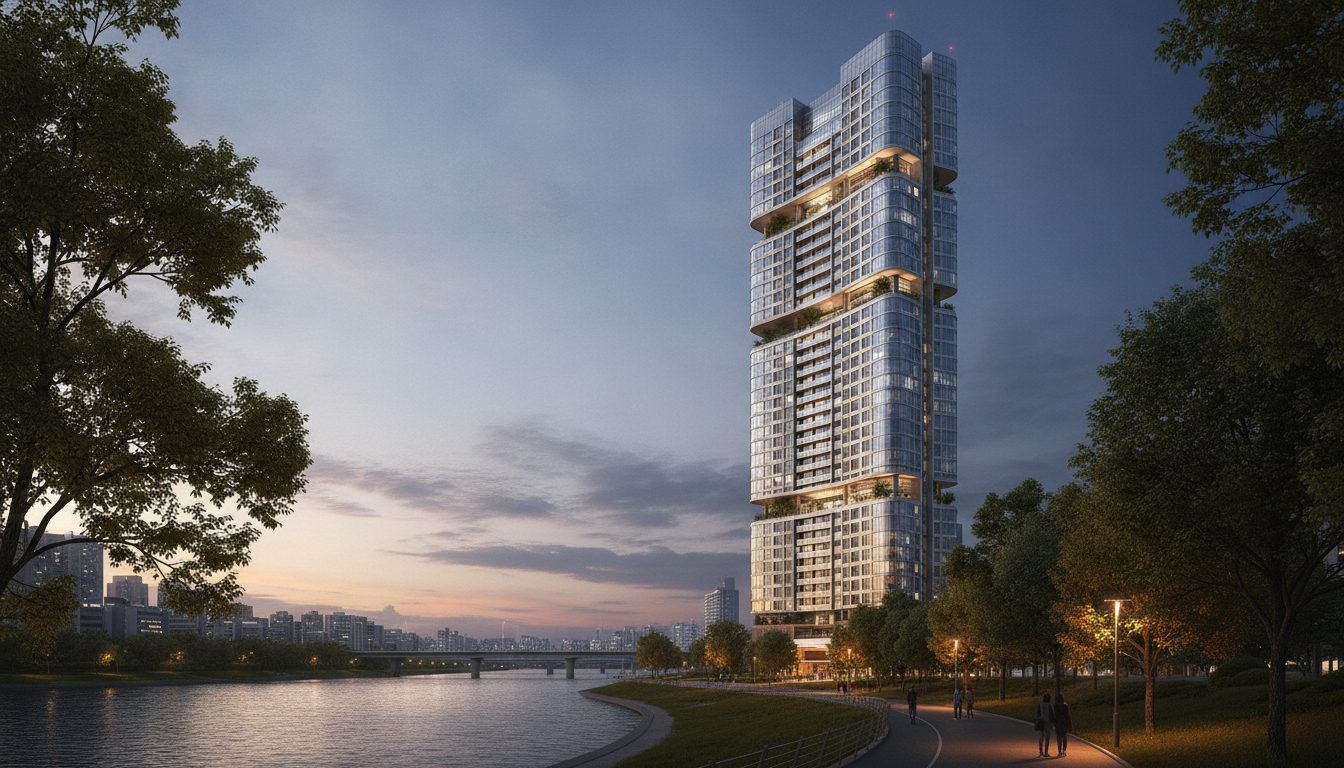
What doesn't change: council, staff and neighbours need to see the building from where they stand. Street-level views, photo-matched context and shadow studies from our rezoning and council work are built from the true 3D model, so the view presented is the building proposed. Our guide to rezoning visuals in BC goes further.
Drawings, rationale and visuals sit on one project record, reviewed by the architect and consultants before they go in.
When staff comments come back, the revisions and the reasons are recorded against that round.
Revised views are reviewed and approved in Order & review, and the approved set replaces the old one.
On the day, the presentation theatre runs in the chamber or on a laptop.
Staff compare resubmissions by eye, and questions at council catch the team unprepared.
Each round is recorded with what changed and why.
A deck emailed the night before won't open, or it's an old version.
Live: the council presentation theatre runs from one link.
A rendering from round one still circulates after the massing changed.
Neighbour letters arrive by email and are hard to tie to the design they commented on.
Coming: structured neighbour feedback, kept with the round it responds to.
Current drawings and visuals, and a record of staff comments.
Strategy on what staff and council will ask.
Each round and its responses sit on one record they can point to.
Views that show fit and character from the right positions.
Their read on what the views must prove.
They comment on the image itself before it's submitted.
Clear changes between rounds.
Timely, consistent comments.
Revisions are logged per round, so review starts from the change, not the whole package.
To see the building from where they stand.
A fair hearing of the proposal as it actually is.
The theatre shows the approved views from the true model. See for municipalities.
The council presentation theatre is live. Structured neighbour feedback is coming.
Not always. Recent provincial changes mean many residential rezonings consistent with an official community plan no longer go to a public hearing. Check with your municipality.
It varies by municipality, but street-level views, context montages and shadow studies are common requests. Staff will tell you at pre-application.
Yes. The presentation link runs in the chamber or on a laptop.
Structured neighbour feedback is coming. Today, comments reach you through the municipality's own process.
The applicant, usually the developer. Scope depends on the number of views and how many rounds you expect.
Talk to us about how it would fit your process. The theatre is live; structured feedback is coming. Contact us.