BDM3d Seoul · KakaoTalk and email · Korean and English · 한국어 · Also: Dubai Tokyo Miami New York Mumbai Toronto · Canada
BDM3dStudios
Sign in Start a project
Studio

Walk them through it before it's built.

Flythroughs, lifestyle films and short social cuts, all from the same scene as your stills, so the story holds from the billboard to the phone.

Start a projectBook a 20-minute call
What you get

What’s included.

  • ✓Hero film
  • ✓Flythrough and walkthrough
  • ✓Social cuts in vertical, square and wide
  • ✓Music and titles
  • ✓Sales-centre loops
Who uses it, and when

Film is for the moments a still can't carry

Stills show what a building looks like. Film shows what it is like to arrive, walk through the lobby and stand on the balcony as the light changes. Developers and marketing teams use film most at presale launch: a hero film for the website and sales centre, shorter cuts for social and paid media, and loops for the screens behind the sales desk. Architects use shorter flythroughs at design review to explain circulation and sequence. Council presentations sometimes use a slow street-level walk to show how a building sits along a block.

Plan film late in the design and early in the marketing calendar. A film needs the design to be settled, because every change means re-rendering frames. It also needs lead time before launch, because the edit, sound and titles come after the rendering. Work back from your opening date, as described in our presale launch timeline.

What goes wrong

Why presale films run late

What it costs

Design changes after the film is rendered

A moved window or a new railing can mean re-rendering every shot that sees it, which is far more work than fixing a still.

How it’s solved

We lock the camera moves on grey footage first and render only after the architect confirms the design. The film is built on the same scene as the approved stills.

More →
What it costs

Notes that say "around the middle"

Feedback on video is vague when it arrives in an email, and it gets applied to the wrong shot.

How it’s solved

In StudioLink, comments pin to a moment in the film, so every note lands on the exact frame.

More →
What it costs

Social cuts as an afterthought

A wide film cropped to vertical loses the building, and the text sits under the platform's buttons.

How it’s solved

Vertical, square and wide framings are planned in the storyboard, not cropped at the end.

More →
What it costs

Music and footage licensing

Tracks licensed only for the web can't run in a paid campaign or in the sales centre.

How it’s solved

The scope records where the film will be used, and music is licensed to match.

More →
How it's made

From script to delivered film

01

Brief and inputs

We need the approved drawings (CAD, Revit, SketchUp or PDF), the finish schedule, the landscape plan, the interior package for any interior shots, the brand guide and the channels the film will run on.

02

Script and storyboard

A short written sequence: arrival, amenity, home, view. Each shot is sketched with its purpose, so nothing is rendered just because it looks nice.

03

Animatic

Grey footage with timed camera moves. This is the cheapest point to change pace, angles and order, and the right moment for the whole team to review.

04

Look and render

Materials, light and landscaping come from the approved stills. Frames are rendered, then reviewed as a first cut.

05

Edit, sound and titles

Music, sound design, titles and the brand end card are added. Voice-over is available on request.

06

Deliver every format

The hero film, social cuts in vertical, square and wide, and sales-centre loops, each in the right size and length.
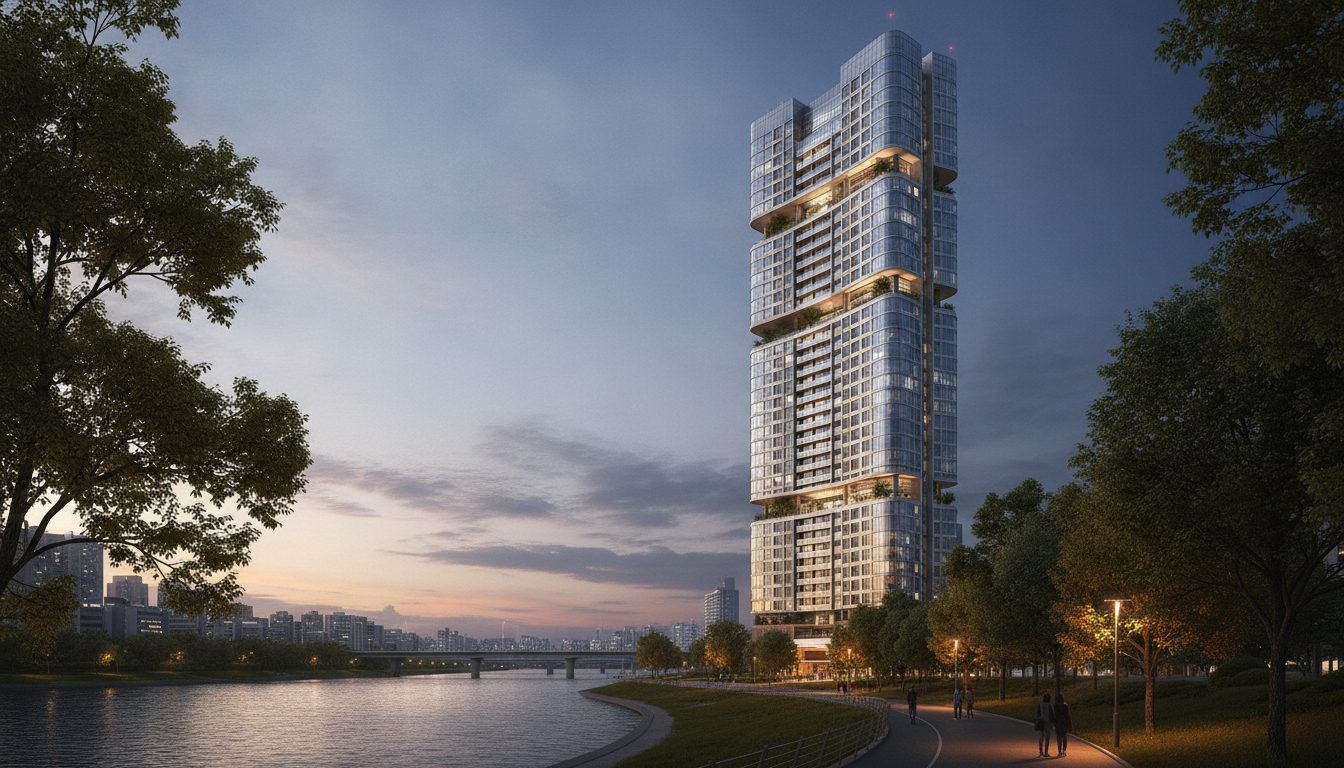
Reviewing together

Who signs off which part of a film

RoleThey need from youYou need from themOn one record

Architect

They need from you

To confirm the building in every shot, including the ones that pass quickly.

You need from them

Confirmation that the design is frozen before rendering starts.

On one record

The architect reviews the animatic and the first cut on the same record, with frame-pinned comments.

Marketing agency

They need from you

A film that fits the campaign's tone, titles and channels.

You need from them

The brand guide, the campaign line and the media plan.

On one record

The agency comments on pace and titles while the architect comments on the building, in one thread per version.

Sales team

They need from you

Loops for the screens and short clips to send to buyers.

You need from them

The questions buyers ask most, so the film answers them.

On one record

Approved cuts land in the library, ready for the sales-centre screens and the web tour.

One scene, every use

The film and the stills are the same world

Because the film uses the scene from your approved renderings, the sky, the materials and the planting match across the billboard, the website and the phone. It also means a seasonal refresh or a new phase starts from the existing scene. AI motion can turn approved stills into short clips for social between larger film updates.

Keep reading

Questions

Can you cut it for Instagram and TikTok?+

Yes. Every film is delivered in the aspect each platform uses.

Voice-over?+

Yes, on request.

How long does an architectural animation take to make?+

It depends on the length, the number of shots and how settled the design is. Rendering, editing and sound each take time, so films need more lead time than stills. Your scope shows the dates.

What is an animatic?+

A rough version of the film with grey models and timed camera moves. It lets everyone approve pace and angles before the expensive rendering starts.

Can you make vertical videos for Instagram and TikTok?+

Yes. Vertical, square and wide cuts are planned from the storyboard so the building stays in frame in each one.

Can we change the film after it's finished?+

Small edits such as titles, music or order are quick. Design changes that affect many shots mean re-rendering those frames, which is why we confirm the design at the animatic stage.

Do you need our renderings first?+

Not always, but a film is quicker and more consistent when it follows approved stills, because the materials and lighting are already decided.

Can we add a voice-over?+

Yes, on request. Tell us early, because the script and timing are built around it.

Who owns the music in the film?+

Music is licensed for the uses listed in your scope. If you plan to use the film somewhere new, such as broadcast, check the licence first.

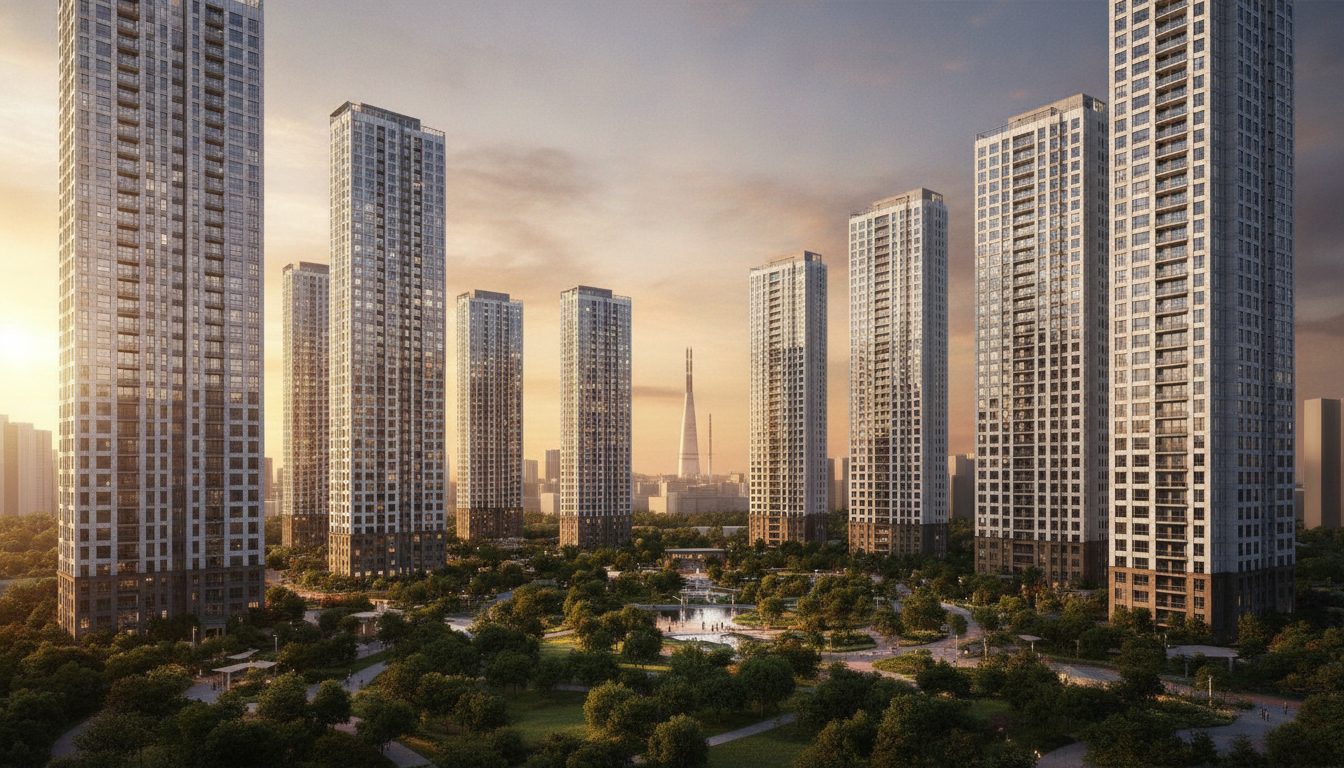
Panoramic twilight rendering of a new community

Concept to keys, and beyond.

Tell us where your project is. We'll tell you what it needs, and show you the scope before we start.

Start a project Book a 20-minute call