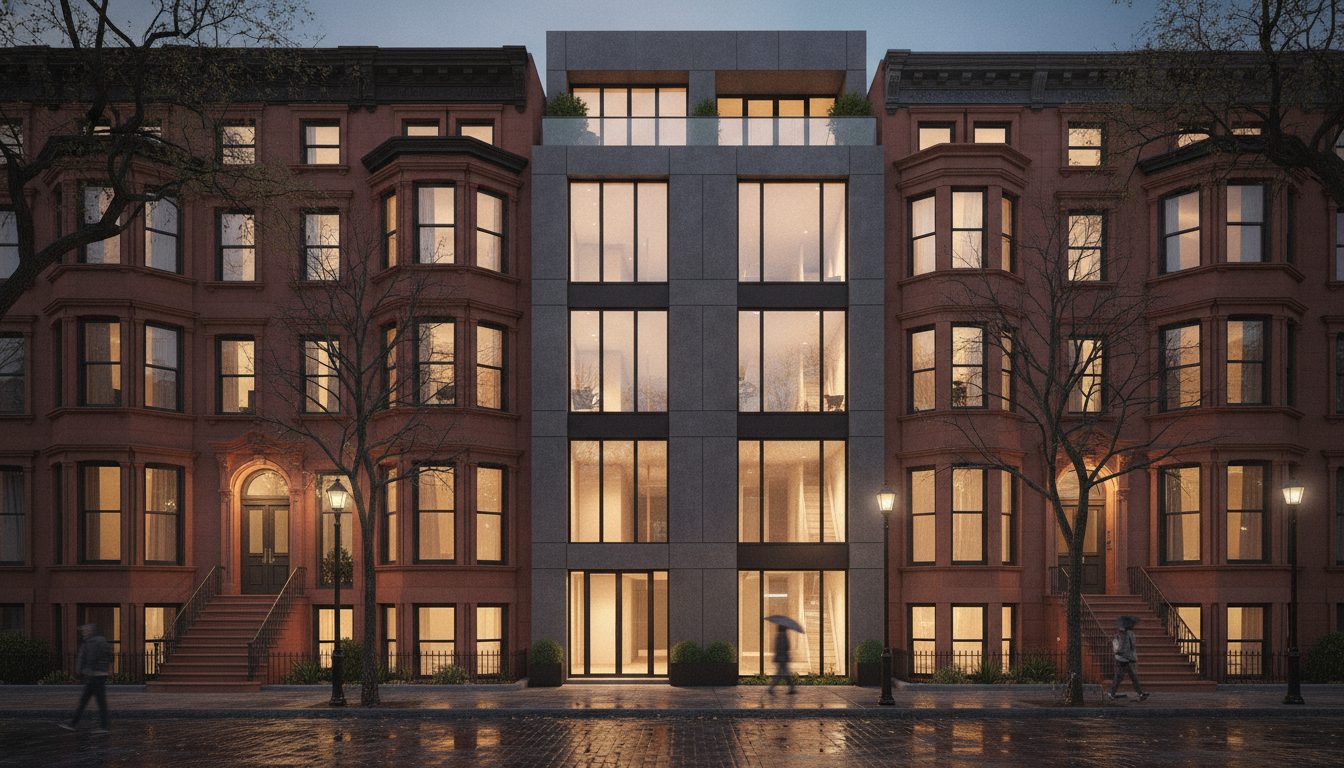
Cost follows effort, and effort follows a few decisions
A rendering is not priced by the image. It is priced by the work behind it: building an accurate 3D model, dressing the site around it, lighting it, staging it, rendering it and then changing it until the people who approve it are satisfied. Two images that look similar on a website can sit at very different points on that curve.
Most of the effort is decided before an artist opens a file. How many views you need, how settled the design is, how much of the surroundings must be accurate, and how many people will comment on it. If you understand those decisions, you can shape the scope instead of reacting to it.
Everything below is how the work generally runs across the industry. Where we describe our own process, it is how we scope jobs at BDM3d, where every job starts with a scope you see before we begin.
Ten things that move the effort
- 01
Views and angles
The model is built once, but every view needs its own composition, lighting, landscaping, entourage and cleanup. The first view carries the model cost; each extra view from the same model costs less than the first but never nothing. A tight camera on one façade hides a lot, while a wide aerial exposes every roof, courtyard and neighbour, so it needs more of the site finished.
- 02
Level of detail
Detail is where the hours go. Mullions, railings, soffits, fixtures, planting and signage all have to be modelled or placed. A massing view for a design meeting can skip most of it. A hero image for a billboard cannot. Ask for the detail the image needs to do its job, and no more.
- 03
How final the design is
Rendering an unsettled design means rendering it twice. If the window pattern, cladding or balcony shape is still moving, each change ripples through the model, the materials and every view. Early on, a model-only pass is usually the better spend. Save the full finish for when the drawings are close to issued.
- 04
Interiors versus exteriors
An exterior needs a building and its surroundings. An interior needs millwork, furniture, fixtures, fabrics, art, window views and lighting that reads as lived-in. Interiors are close-up, so every object is seen. A finish schedule and a furniture direction from the interior designer save a lot of guessing.
- 05
Landscaping and context
Generic trees and a neutral backdrop are quick. Accurate context is not: the real neighbouring buildings, the actual street, the grade, the mountains or the water in the right place. Planting that matches the landscape plan, by species and size, takes time too. Council views and view-sensitive sites need the accurate version.
- 06
People and entourage
People, cars, furniture, bikes and dogs tell the viewer how a place is used. They also need to be placed, scaled, lit and chosen with care so the image feels local and inclusive. A busy plaza takes longer than an empty lobby.
- 07
Revisions and rounds
Every round of comments means changes, re-rendering and another review. Rounds get expensive when comments arrive late, conflict with each other, or reopen decisions already made. Most scopes include a set number of rounds. Extras should be quoted before they start, never after.
- 08
Deadlines
A normal schedule lets the studio sequence the work. A compressed one means more people in parallel, overnight rendering and tighter checking. Rush work is possible, but the fastest way to save money is to order early and hold the date.
- 09
Animation versus stills
A still is one frame. A film is thousands, plus camera paths, pacing, music, titles and edits. Everything the camera passes must be finished, not just the front. Film is usually the largest line in a launch budget, which is why it should reuse the scene built for the stills.
- 10
Reuse of one scene
Once a scene is approved, AI can make seasons, times of day, styling and life from it far faster than new views. The building stays exactly as modelled; AI only changes light, season, landscaping, styling, people and motion. Planning for variations up front costs less than asking for new renders later.
One scene, many uses
The most expensive habit in this business is commissioning each use separately: one studio for council images, another for the launch, a third for the tour. Each one rebuilds the building, and each version drifts a little further from the drawings.
The cheaper path is one accurate scene that feeds everything. The council street view, the marketing hero, the dusk shot, the winter version, the film and the web tour all come from the same model. When the architect changes a balcony, it changes once.
AI makes that reuse go further. At BDM3d the guardrail is simple: the building always comes from the true 3D model built from the drawings. AI changes only light, season, landscaping, styling, people and motion. It never moves a wall, adds a window or changes a finish, and every AI frame is checked against the approved drawings before release. More on that on our AI visualization page.
Model Only, Essentials, Premium and Interactive
Swipe to see more →
| Level | What it includes | When it fits |
|---|---|---|
| Model Only | An accurate model of your building at medium detail, with basic lighting and no context, landscaping or people. | Checking massing and design early. Use it as-is, or run it through AI yourself to explore looks while the model keeps it accurate. |
| Essentials | Medium detail with materials, colour, day lighting, generic context and basic landscaping. AI options can be added, charged per use. | Getting approved and starting to sell, when you need quality without the full launch treatment. |
| Premium | High detail, custom lighting, accurate context, full landscaping, a fully visible interior where it applies, full entourage and 4K output, then enhanced with AI by our studio. | The launch: hero imagery for the billboard, the sales centre and the website. |
| Interactive | A separate product line rather than a fourth tier: web tours and sales-centre screens built on an Essentials or Premium scene. | When you are ready to sell and buyers need to explore homes, plans and availability. |
What to prepare to keep it efficient
- ✓Current drawings. Plans, elevations and sections, plus the model if the architect has one in Revit, SketchUp or similar. PDFs work; native files save modelling time.
- ✓A site plan and survey. Grades, property lines and the footprint of neighbouring buildings. Without them, context is guessed.
- ✓The finish schedule. Cladding, glazing tint, railings and roofing, with product names or photos. For interiors, the designer's selections.
- ✓The landscape plan. Species, sizes and hard surfaces, if the landscape architect has one.
- ✓A shot list with a purpose for each view. Council, website hero, social, brochure cover. The purpose decides the detail.
- ✓Reference images you like, and a line on why. Mood, time of day and season are easier to agree on with pictures.
- ✓The date the images must be used, not just the date you would like them. Build back from the real deadline.
- ✓One named person who consolidates comments and gives the final yes.
The costs nobody put in the quote
Scope changed on a phone call
A view gets added or a detail gets upgraded in conversation. Nobody writes it down, and the invoice becomes an argument.
In StudioLink the scope is on the record before work starts, and a change is re-scoped in the same place. Order and review is live today.
More →Comments from five inboxes
The architect, the developer and the marketing lead each send notes. Some conflict. The studio makes all of them, then undoes half.
Everyone comments on the image itself, in one thread, and one person approves. See our guide to reviewing renderings as a team.
More →Rendering a moving design
The images are finished, then the elevations change. Every view is reworked.
Start with Model Only while the design moves, then finish once it settles. The model carries forward.
More →Marketing that no longer matches
An old render stays on the website after the design changed. Repairing trust costs more than fixing the image.
Approved versions are kept on one record, so the current set is always the one people use.
More →How to compare quotes fairly
Two quotes for "four exterior renderings" can describe very different jobs. Before you compare the totals, put them side by side on the same questions.
How many views, and at what resolution? Does the model include the neighbouring buildings, or a generic backdrop? Is the landscaping from your landscape plan or from a stock library? Are people and cars included? How many rounds of revisions, and what counts as a round? What happens if the design changes after modelling starts? Who keeps the model, and can it be reused for film or a tour later? When is the date, and is it held?
Watch for quotes that are low because they leave things out, then recover the difference in change orders. A clear scope that names the views, the level of detail, the rounds and the deliverables is worth more than a lower number with vague terms. Ask every studio to answer the same list, and compare the answers, not just the totals.
If you work with a marketing agency, a broker team or a planning consultant, show them the shot list before you sign. They know what they will need in six months, and it is cheaper to add a view now than to commission it again later.
Questions
How much does an architectural rendering cost?+
It depends on the number of views, the level of detail, how final the design is, the context and the deadline. We do not publish prices because two jobs with the same view count can be very different. Start a project and you will see a scope before you commit.
Why is the first rendering more expensive than the rest?+
The first view carries the cost of building the 3D model. Extra views reuse that model, so each one costs less, though every view still needs its own lighting, landscaping and finishing.
How long does a rendering take?+
It depends on the views, the detail and how settled the design is. A model-only check is quick; a full launch set takes longer. Your scope shows the dates before work starts.
What do I need to send for a rendering quote?+
Plans, elevations, a site plan, the finish schedule and a short list of the views you want and what each is for. Native model files help, but PDFs are enough to start.
Are revisions included in the price?+
Most scopes include a set number of rounds. Ask what counts as a round and how extra rounds are handled. They should be quoted before they start, not added to the invoice afterwards.
Is an animation much more than a still?+
Usually, yes. A film needs camera paths, far more frames, and a finished scene in every direction the camera looks, plus editing and music. Reusing the scene built for the stills keeps it down.
Can AI make renderings cheaper?+
It can make variations cheaper. Once a scene is approved, seasons, times of day and styling can come from AI faster than new views. The building itself should still come from an accurate 3D model, never from AI alone.
Can I reuse renderings for a later phase or a new campaign?+
Yes, if the studio keeps the model and the approved scene. Ask who holds the files and where they are kept, so the next phase starts from the approved set instead of from scratch.