A development project runs in an order, and every stage leans on the one before it. You find land and run the numbers: what the zoning allows, what the market will pay, what it costs to build, and whether the margin survives the carrying costs. If the site needs more density than the zoning allows, you hire an architect and a planning consultant and start a rezoning. That means staff meetings, revisions, a public process and a council vote. In BC, recent provincial changes have altered when public hearings are required and how small-scale multi-unit housing is permitted, so check with your municipality early.
Once the land use is settled, the design moves through a development permit and then a building permit. At the same time you are lining up construction financing, and most lenders want to see a meaningful share of the homes presold before they fund. That puts marketing and sales on the critical path long before a shovel goes in. In BC, you file a disclosure statement with the regulator before you market and sell, and there are specific rules about marketing before a building permit or financing is in place.
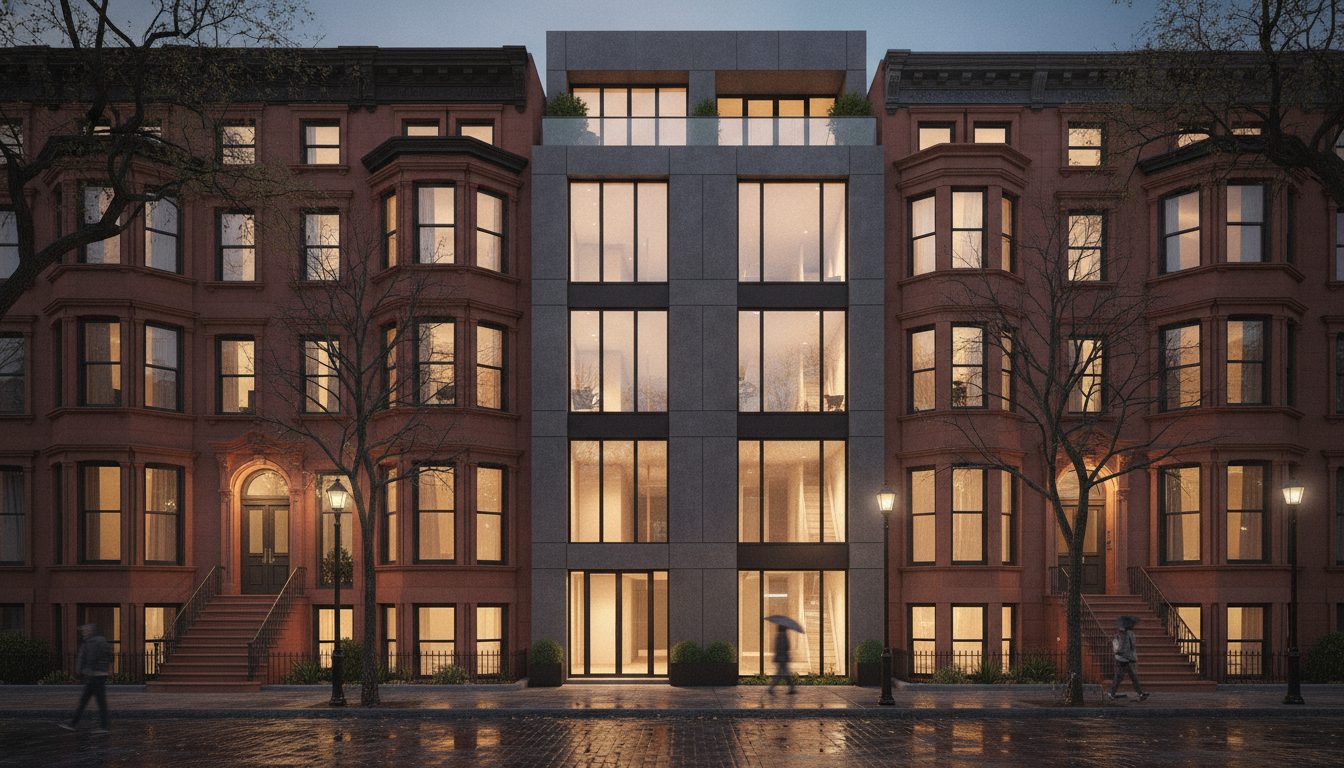
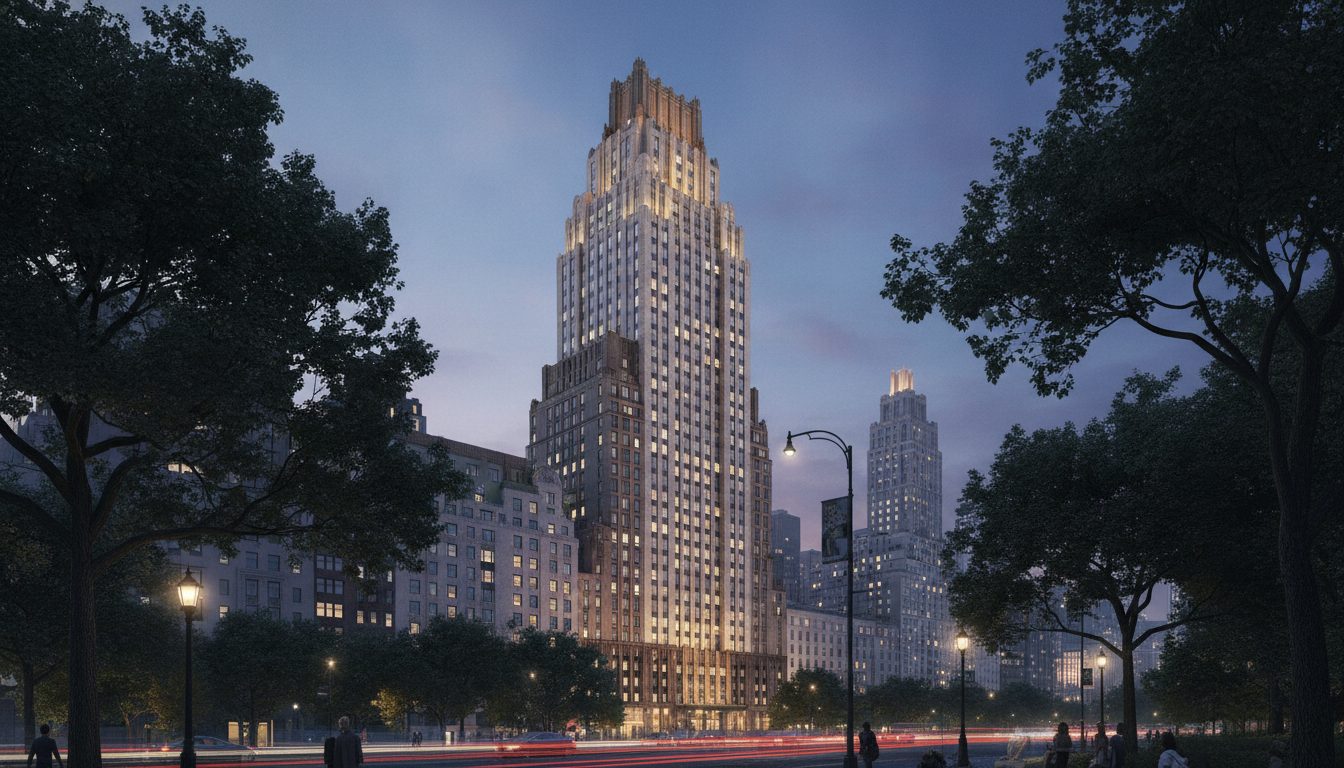
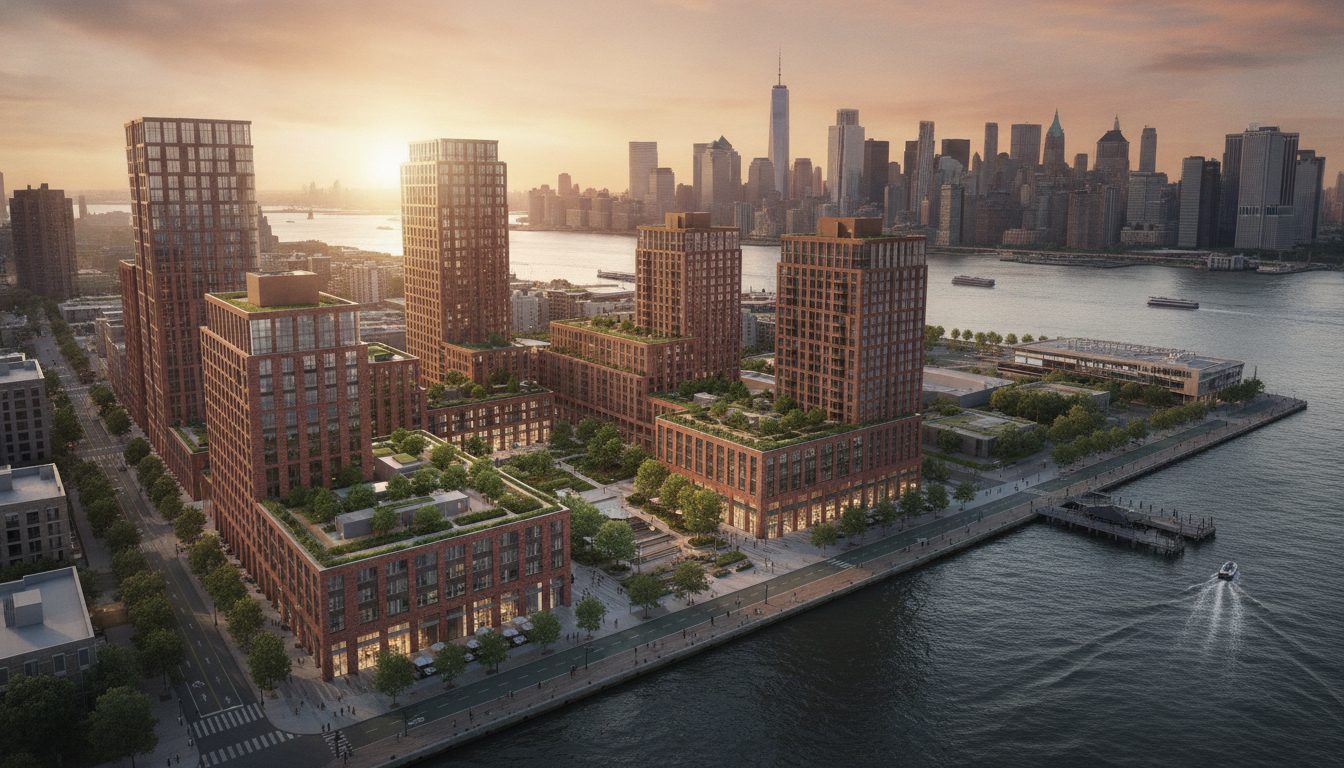
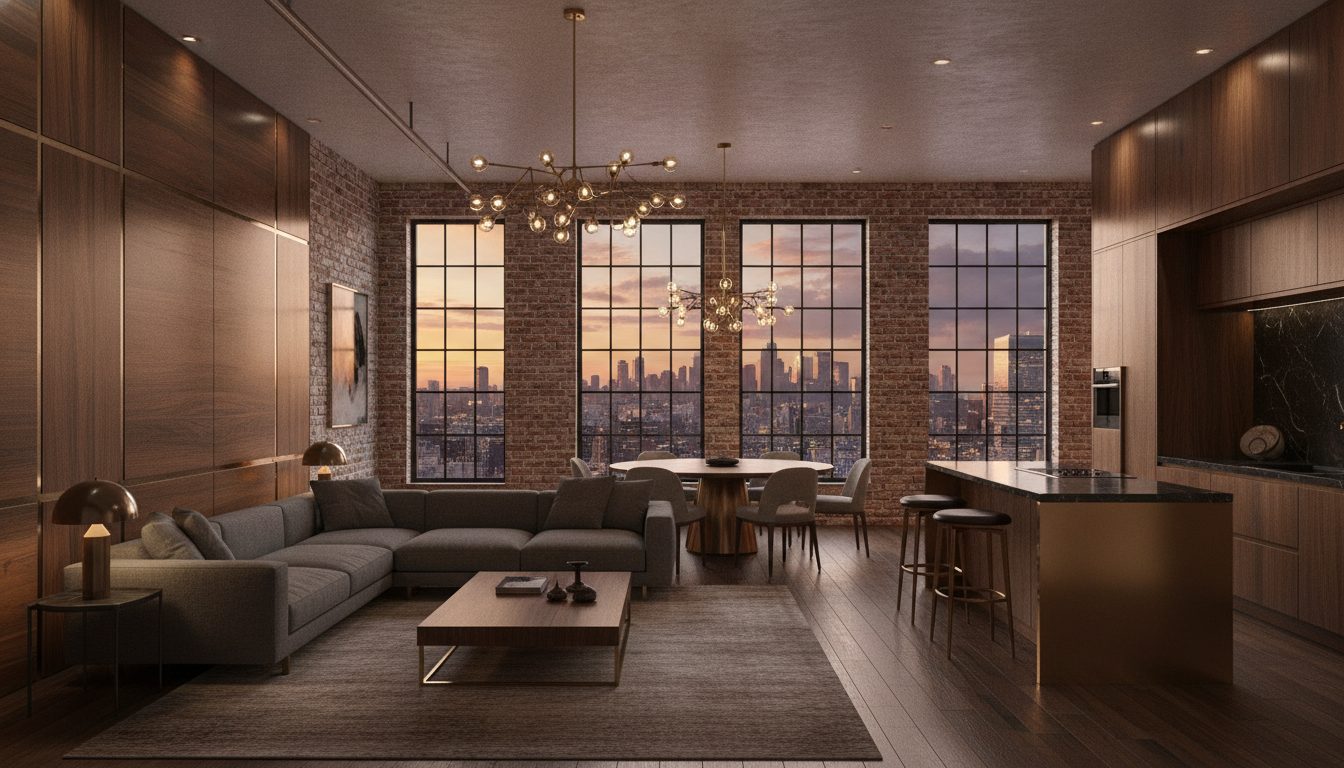
Then you launch: brand, website, renderings, film, a sales centre, a price list and a broker program. Construction starts, buyers wait, and you manage amendments, completion dates and deposits. At the end come occupancy, strata registration, handover, deficiencies and warranty. Across all of it, your job is the same: keep a dozen outside firms pointed at one version of the project, and keep the money moving.